

Oklahoma and its affinity for the death penalty
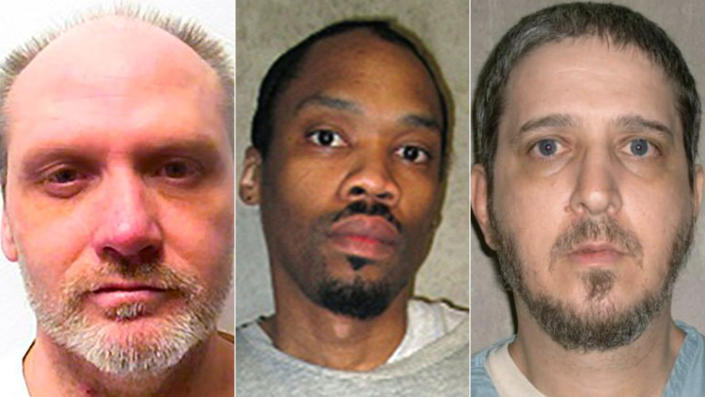
Oklahoma last week began what many are viewing as a state-sanctioned onslaught on its incarcerated population — executing its first death row inmate out of an unprecedented 25 inmates scheduled to be put to death in a total of 29 months.
The latest execution, of James Coddington, a white man who had been in jail since 1997 for killing a friend who refused to loan him $50 to buy cocaine, marked a dramatic step for state leadership. Republican Gov. Kevin Stitt denied Coddington clemency after the Oklahoma Pardon and Parole Board recommended leniency in early August. Many residents are now wondering whether the board’s recommendations matter in the state with the highest execution rate in the country.
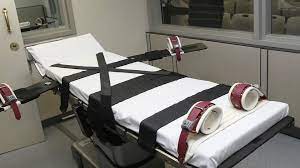
“I have little hope that the Pardon and Parole Board will grant any more clemencies,” Rev. Don Heath, chair of the Oklahoma Coalition to Abolish the Death Penalty, told Yahoo News on Friday. “The best hope for change is that a new governor will be elected in November, but that is a long shot.”
For some critics, two dozen executions in two years falls in line with Oklahoma’s legacy of executions dating back more than two centuries, and typifies the kind of law and order they want reflected in the American justice system. For others, Coddington’s execution, and those expected to be conducted, paint a clear picture of the predisposition of the state’s majority Republican leadership toward capital punishment, rather than any attempt at rehabilitation.
“While we still have a lot of people in elected positions in the state who are very zealous about having executions carried out, I don’t think it necessarily reflects the sentiment of most of the citizens of the state of Oklahoma,” Andrea Digilio Miller, legal director of the Oklahoma Innocence Project, an organization based at the Oklahoma City University School of Law dedicated to finding and resolving wrongful conviction cases in the state, told Yahoo News.
Miller, who spent two decades as a public defender in Oklahoma, questions whether the majority of Oklahomans would support the death penalty if officials were more forthcoming about details involved in the process.