

Iran, U.S., French officials to leave nuclear talks as deadline looms
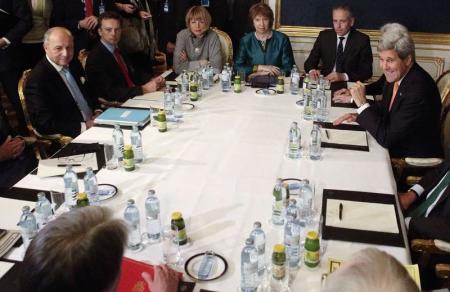
VIENNA (Reuters) – Iranian Foreign Minister Mohammad Javad Zarif will leave the nuclear talks with six world powers on Friday and return to Tehran for top level discussions four days before a deadline for a final agreement expires.
U.S. Secretary of State John Kerry and French Foreign Minister Laurent Fabius will also return to Paris later on Friday for consultations on the Iranian nuclear issue, U.S. and French officials said.
“Zarif will return to Tehran tonight for consultations and exchange of views with top officials,” Iran’s official news agency IRNA reported, citing a member of the Iranian delegation at the Vienna talks.
The United States, Britain, France, Germany, Russia and China began the final round of negotiations with Iran on Tuesday before Monday’s deadline, looking to secure a settlement to the decade-old dispute and put a cap on Tehran’s nuclear ambitions.
However, officials close to the talks say the two sides are unlikely to secure a definitive accord and may need to extend the deadline.
One source close to the talks told Reuters Zarif would discuss a proposal he received from the six that outlines the main principles of a possible agreement on removing sanctions on Tehran in exchange for curbs on its nuclear programme.
The West believes Iran wants to develop nuclear weapons — a suggestion Tehran rejects.
Western diplomats told Reuters earlier this week that a U.S.-drafted proposal shown to Iran at talks in Oman earlier this month called for the Islamic Republic to reduce the number of its uranium enrichment centrifuges to 4,500, well below the current number of centrifuges Tehran has.