

“Corridor Wars: Mohamed El-Nady Explains the Battle Reshaping Global Trade Through the Suez Canal”
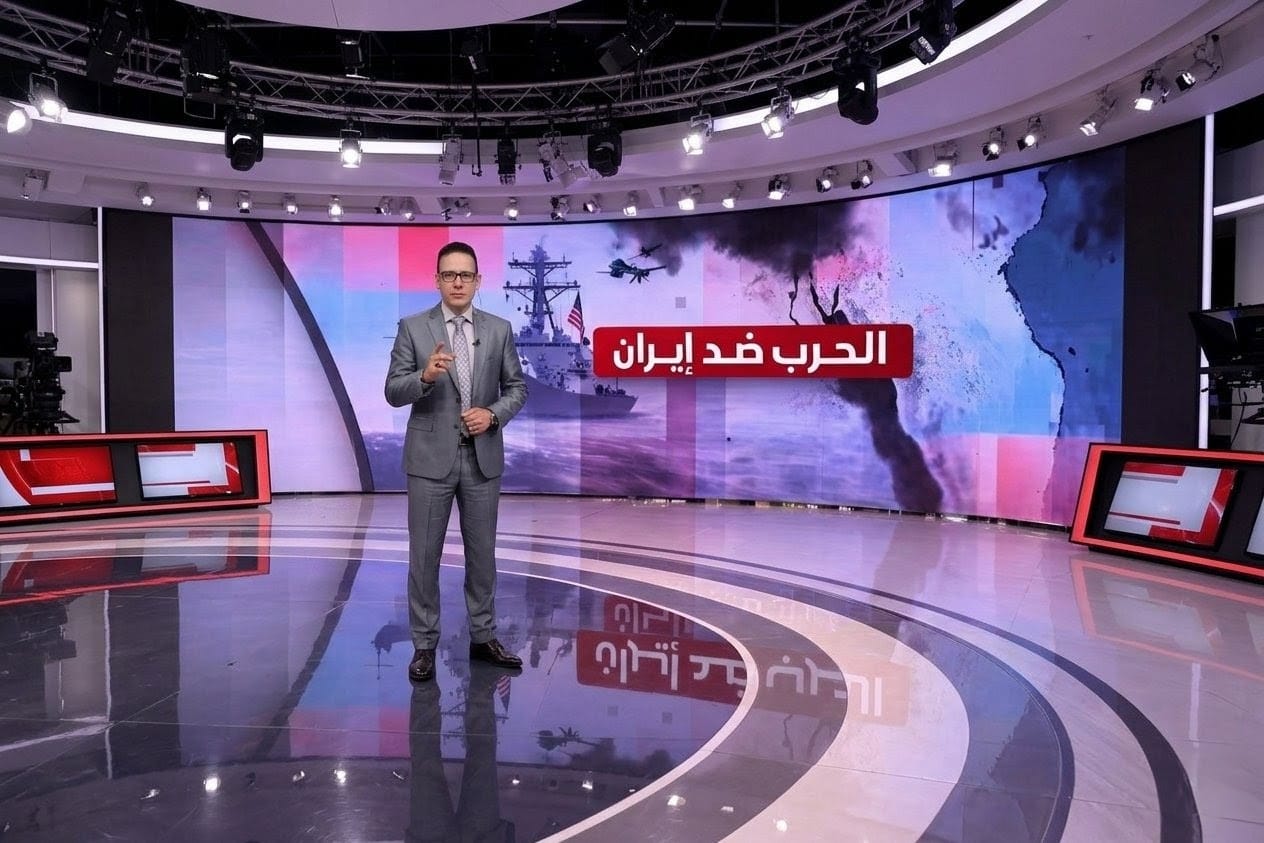
With rising tensions in the Gulf and the Red Sea, understanding the current global landscape is no longer possible without addressing the concept of “maritime corridor wars.” Conflicts are no longer limited to direct military confrontations; they now extend to targeting the economic arteries that control the flow of global trade and energy.
In this context, we conducted an in-depth interview with geopolitical expert Mohamed El-Nady, Secretary-General of Education at Egypt 2000 Party, to explore the dimensions of these shifts and their impact on the Suez Canal, the Egyptian economy, and global supply chains.
Q: How do you assess the nature of the current conflict in the Gulf and the Red Sea?
A: The world is witnessing a qualitative transformation in the nature of conflicts. They are no longer confined to conventional military operations but have evolved to target the strategic infrastructure of vital corridors—foremost among them, the Suez Canal, which represents a major artery of the global economy.
Q: What is the significance of the Suez Canal in this context?
A: Approximately 12% of global trade passes through the Suez Canal, particularly energy and goods moving between Asia and Europe. Therefore, any security disruption in the Red Sea or the Gulf directly impacts the Egyptian economy, making the canal’s protection a top strategic priority.
Q: How have military developments affected global shipping?
A: Escalating tensions—especially threats to navigation in the Strait of Hormuz and the Red Sea—have pushed major shipping companies such as Maersk and MSC to activate contingency plans. These include rerouting vessels via the Cape of Good Hope, which extends travel time by around two weeks and significantly increases fuel consumption. This, in turn, negatively affects Suez Canal revenues, which could decline by 25% to 40% if the الأزمة persists.
Q: Are there emerging alternatives to traditional maritime routes?
A: Yes, several alternatives are beginning to emerge. These include the Northern Sea Route promoted by Russia, as well as land and rail connectivity projects linking Gulf ports to Mediterranean ports, aiming to reduce reliance on vulnerable maritime corridors.
Q: What are the implications for the Egyptian economy and global markets?
A: The impacts are multifaceted. Rising maritime insurance premiums are increasing shipping costs, which leads to higher prices for essential goods such as wheat, oils, and fuel. Additionally, delays in raw material shipments disrupt industrial production and contribute to inflationary pressures.
Q: How is Egypt responding to these challenges?
A: Egypt is implementing a multi-pronged strategy that includes:
- Offering flexible pricing incentives to maintain the canal’s competitiveness.
- Enhancing logistics services, such as vessel fueling and maintenance, transforming the canal into a comprehensive service hub rather than just a transit route.
- Strengthening diplomatic efforts to ensure the canal remains classified as a safe and neutral passage, insulated from military conflicts.
Q: Does the current crisis threaten Egypt’s strategic position?
A: This is not a temporary challenge but a real test of Egypt’s ability to maintain its central role in global trade. Success will depend on efficient economic management, flexible political action, and the ability to develop the Suez Canal into an integrated logistics platform in a rapidly changing world.
Conclusion:
This interview highlights a profound global shift toward conflicts targeting the core of the world economy, with maritime corridors becoming key battlegrounds. The Suez Canal remains at the heart of this equation—not merely as a waterway, but as a critical strategic asset for Egypt. Amid accelerating global transformations, Egypt’s ability to secure and develop the canal will be decisive in shaping its position within international trade in the years ahead.