

?Is Tokyo willing to apologise
By Mohssen Arishie
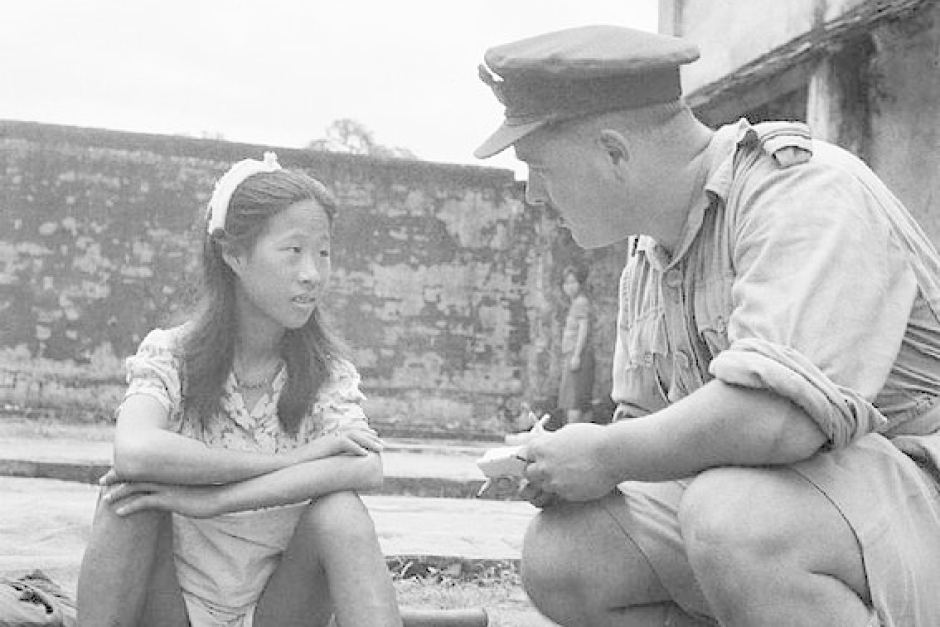
The release of a Japanese report on World War II sex slaves has renewed doubts, whether Tokyo is sincerely seeking to bury a difficult task behind.
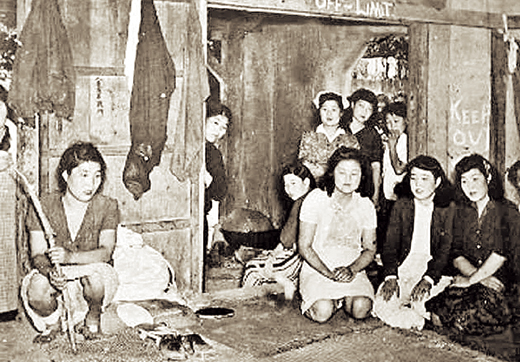
Japanese Prime Minister Shinzo Abe’s initial response to the report fueled doubts that Japan remains stubborn, refusing to apologise for thousands of Asian girls, including Koreans, who were coerced into providing sex to Japanese soldiers.
Abe’s celebrations of the release of the report backfired.
Abe allegedly used the report to reaffirm his country’s commitment to a 1993 statement admitting for the first time atrocities committed by the Japanese military against Korean girls and others from different Asian countries. Nonetheless, the report appeared to raise doubts about the accuracy of the 1993 apology. The report said the apology resulted from intense behind-the-scenes negotiations with South Korea and seemed to question whether it was based on solid evidence. Although many historians outside of Japan substantiated atrocities committed by the Japanese military against Korean women, Japanese nationalists continue to heap insults on the heads of the victims. The Japanese nationalists are claiming that the women were prostitutes. Abe must have done injustice to the victims of this wartime crime by pandering to cruel remarks by nationalists in his country. During his first time as prime minister, in 2006 and 2007, he endorsed the nationalists’ position; during is second tenure, which began in late 2012, he signaled that he might seek to revise the apology. In March, he shared his predecessors’ heartache over the women’s plight; but he has done little to calm South Korean apprehensions. South Koreans have substantial doubts that Japan has ever been sincere about the apology.
According to press sources, Japanese nationalists will use the report to increase pressure on the government to revoke the apology. The question is whether PM Abe will motivate joint efforts with South Korea to put a difficult history behind them, and makes it clear to the world community that the ‘deniers’ are wrong. 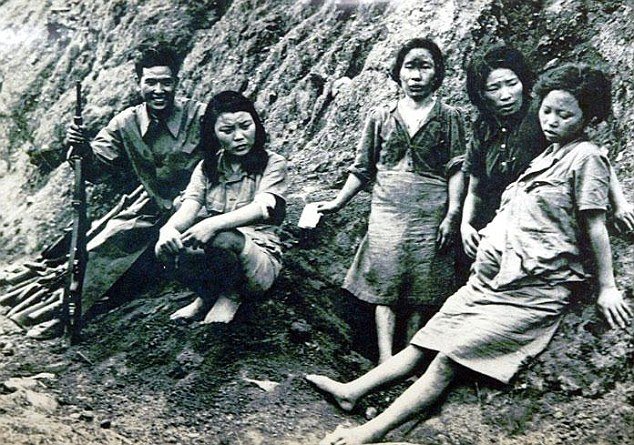
Prof. Hosaka Yuji of Sejong University indicated that the Japanese government submitted and disclosed the report on the verification results of the Kono Statement on June 20th to the Budget committee of the House of Representatives of Japan. The core of the disclosed report was that: firstly the Kono Statement was prepared through written discourse between Korea and Japan; Korea and Japan agreed to maintain confidentiality of the written discourse, and thirdly, the Japanese government did not validate the interview contents after interviewing comfort women victims. In his analysis, the professor said that Korea and Japan coordination on the written discourse of the Kono Statement does not pose a problem. The Kono Statement, he continued, contains contents on the comfort women victims not only from Korea, but from China, Taiwan, Southeast Asia and Europe. However, it’s reasonable for Korea, which was the most affected among the countries to express an opinion on the text. The Korean government acknowledged the fact that it issued feedback on the draft of the Statement provided by the Japanese government and the Japanese government also recognized that it was the agent of drafting the Kono Statement. Thus, there is no big concern with the fact that there was coordinated discourse between Korea and Japan. Prof. Yuji emphasized that there is a need for Korea to ‘verify’ this verification result report regarding the allegation made by Japan that both countries agreed to keep the fact of coordinated discourse as confidential. First, such allegations may not be true, and even if such discussion was exchanged, the level of confidentiality is important. “If the particular confidential matter was deemed to be important, the fact that the two countries made a secret promise should remain in writing,” the professor said in his analysis. “If there is no such writing, it is possible that the agreement may be in a level of agreement as not to disclose anything due to room for misunderstanding, despite the fact that there would be no significant issue even when disclosed,” he said.