

Egypt consumer, core inflation ease in November
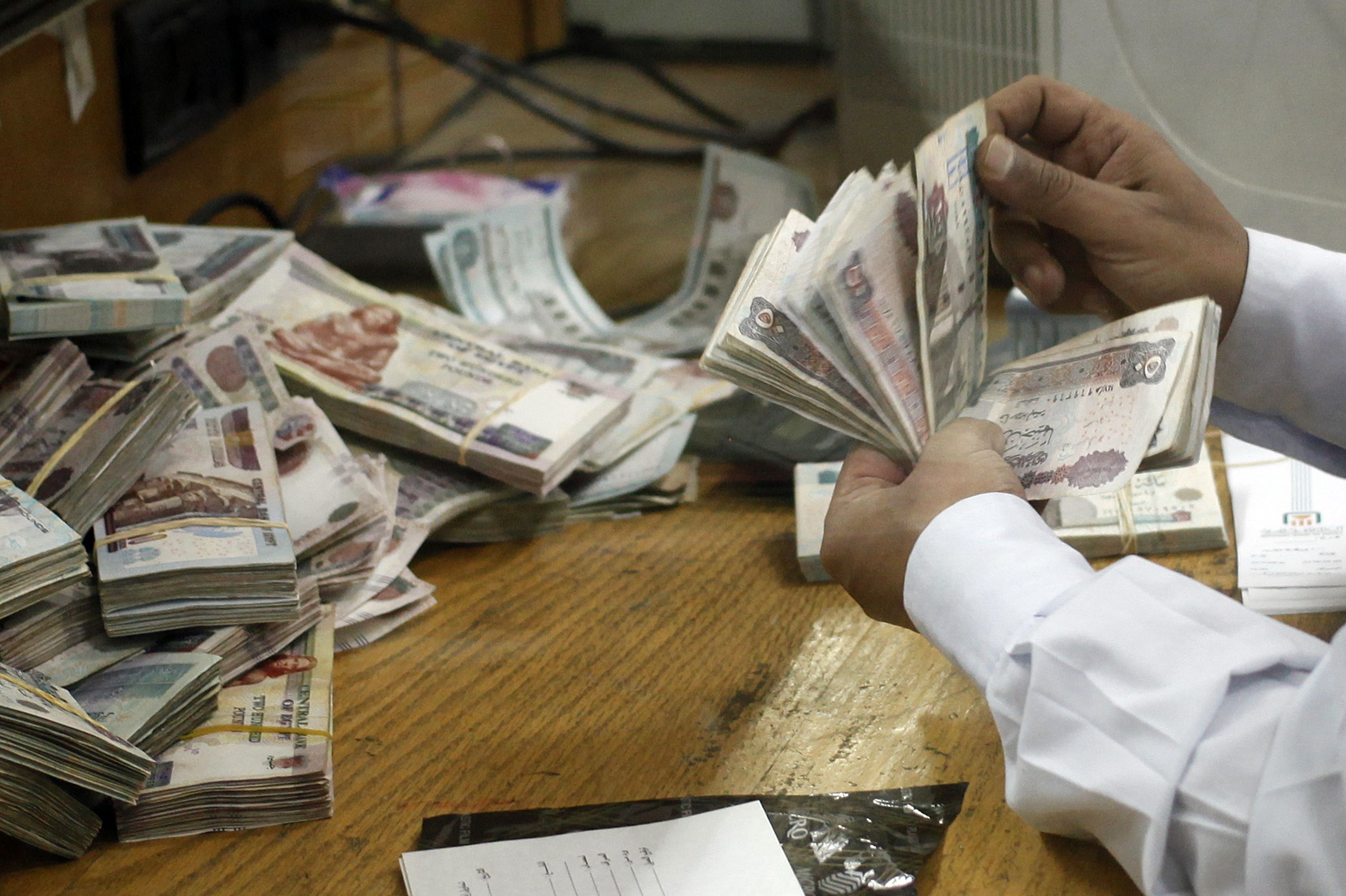
CAIRO – Arab Telegraph – Egypt’s annual urban consumer inflation and core inflation both slowed in November, a boost for government efforts to balance economic growth with price stability as the country seeks to recover from more than three years of political instability.
As a major importer of oil, Egypt is benefiting from a more than 40 percent slump in global oil prices since June and from food prices that are rising more slowly.
Urban consumer inflation dropped to 9.1 percent in November, after rising to 11.8 percent the previous month, the official statistics agency CAPMAS said on Wednesday.
Core inflation, excluding volatile items like fruit and vegetables, declined for a second month, to 7.81 percent from 8.47 percent a month ago, the central bank said.
President Abdel Fattah al-Sisi’s government has been walking a fine line between trying to restore growth whilst keeping prices under control.
Inflation has returned to June levels after accelerating in July and August following cuts to energy subsidies that sent fuel prices soaring by up to 78 percent.
The central bank raised interest rates by 100 basis points in July to dampen inflation as fuel prices spiked, but has kept them on hold since then.
The government slashed subsidies as part of politically sensitive reforms aimed at narrowing the budget deficit and gaining the confidence of foreign investors.
Until the fuel price hikes in July, Egypt’s annual inflation had been slowing after hitting its highest level in nearly four years in 2013.
Hany Farahat, senior economist at CI Capital, said the lower inflation was due to “second-round effects” of the interest rate rise and declining global prices for food and oil.
Egypt’s economy grew 3.7 percent in the last quarter from a year earlier, suggesting recovery was gaining strength.
A Reuters poll forecasts economic growth of 3.3 percent this fiscal year as Egypt pushes ahead with big projects such as expansion of the Suez Canal.